
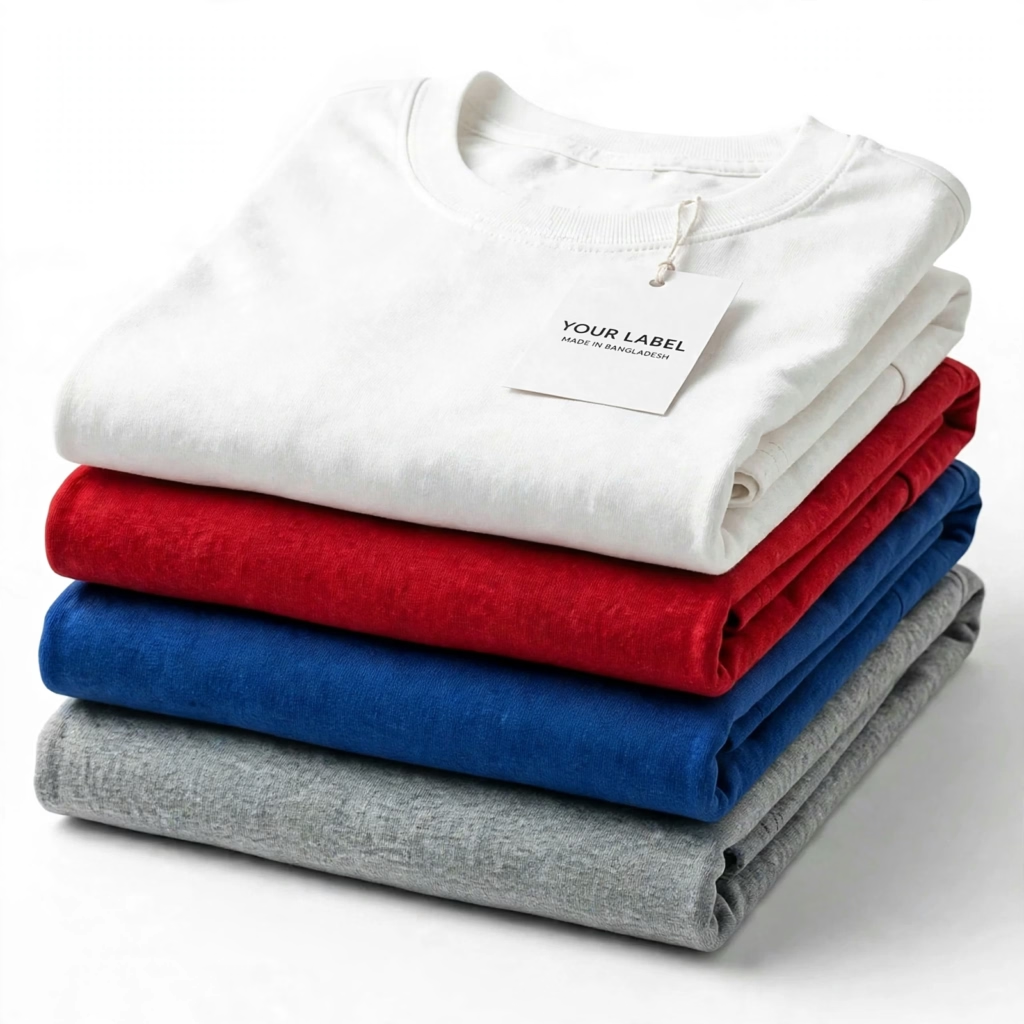
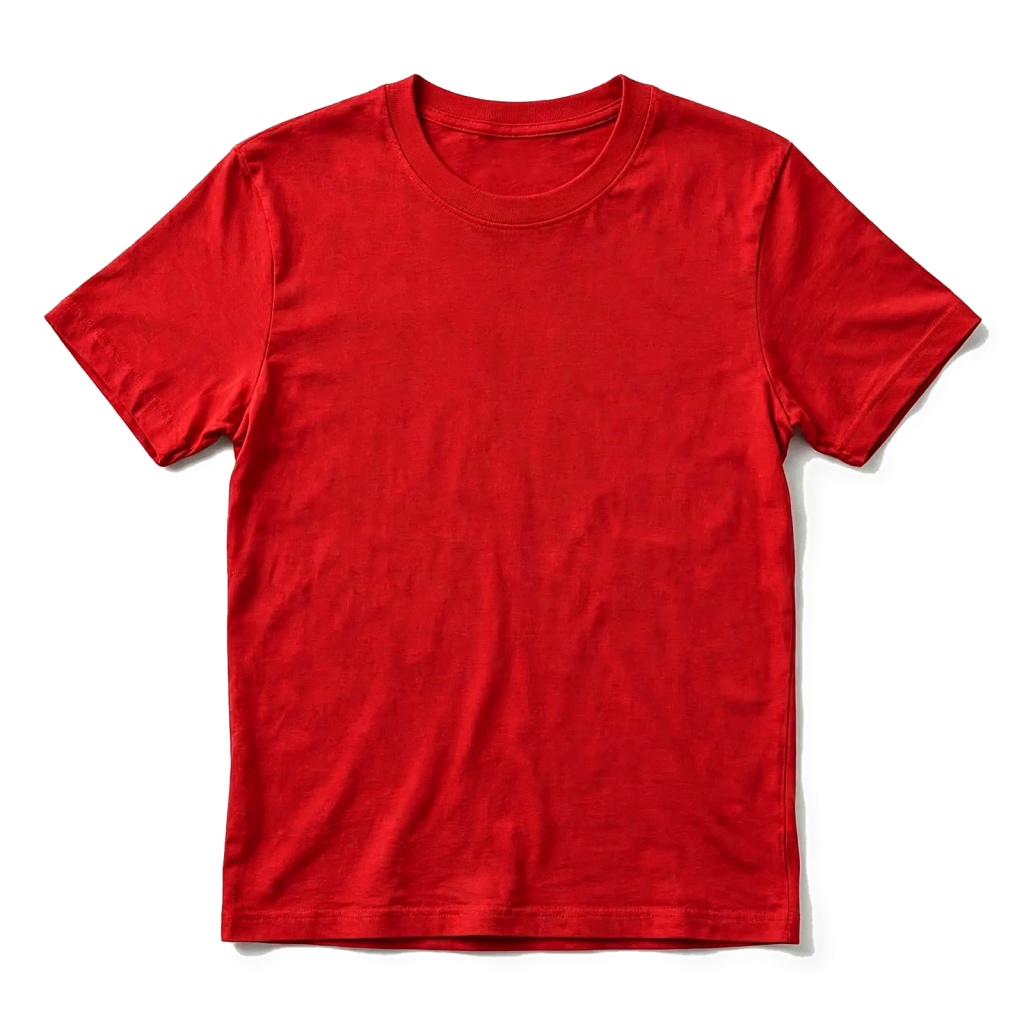
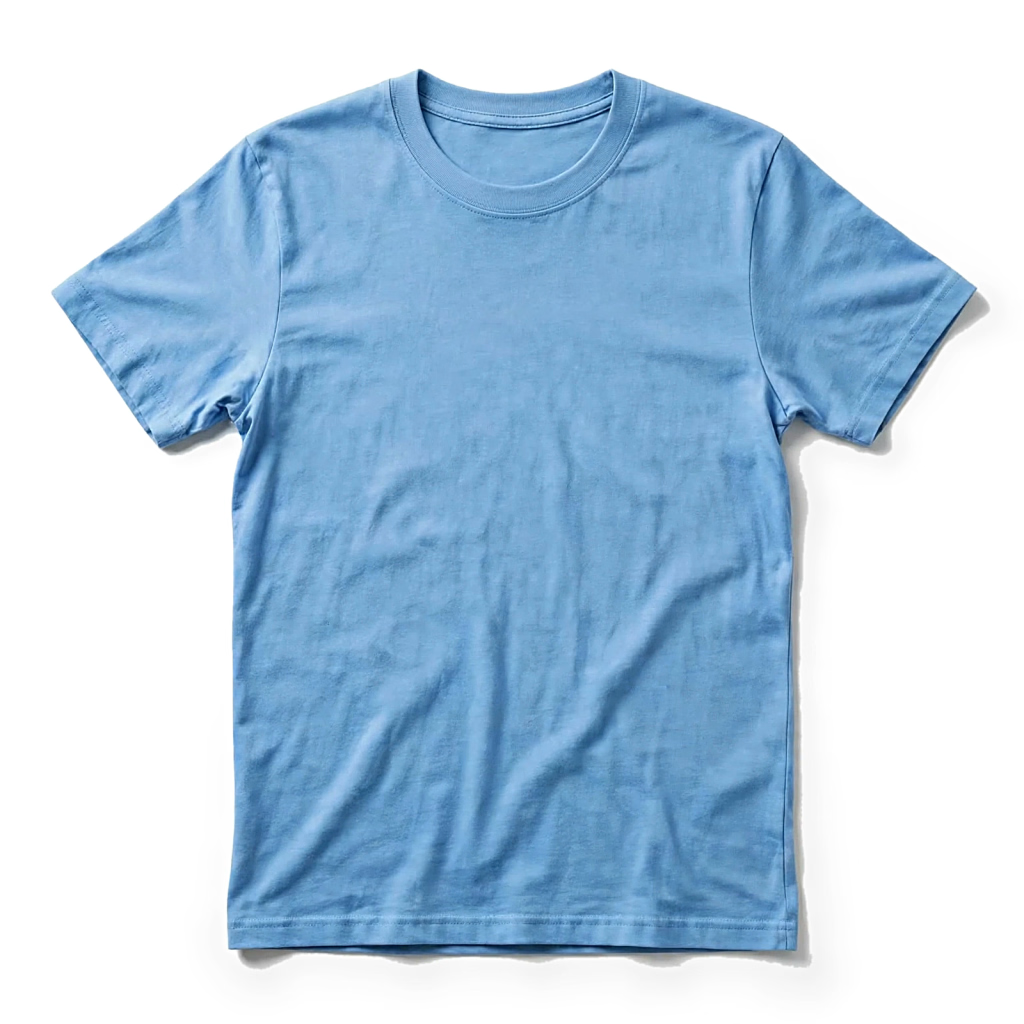
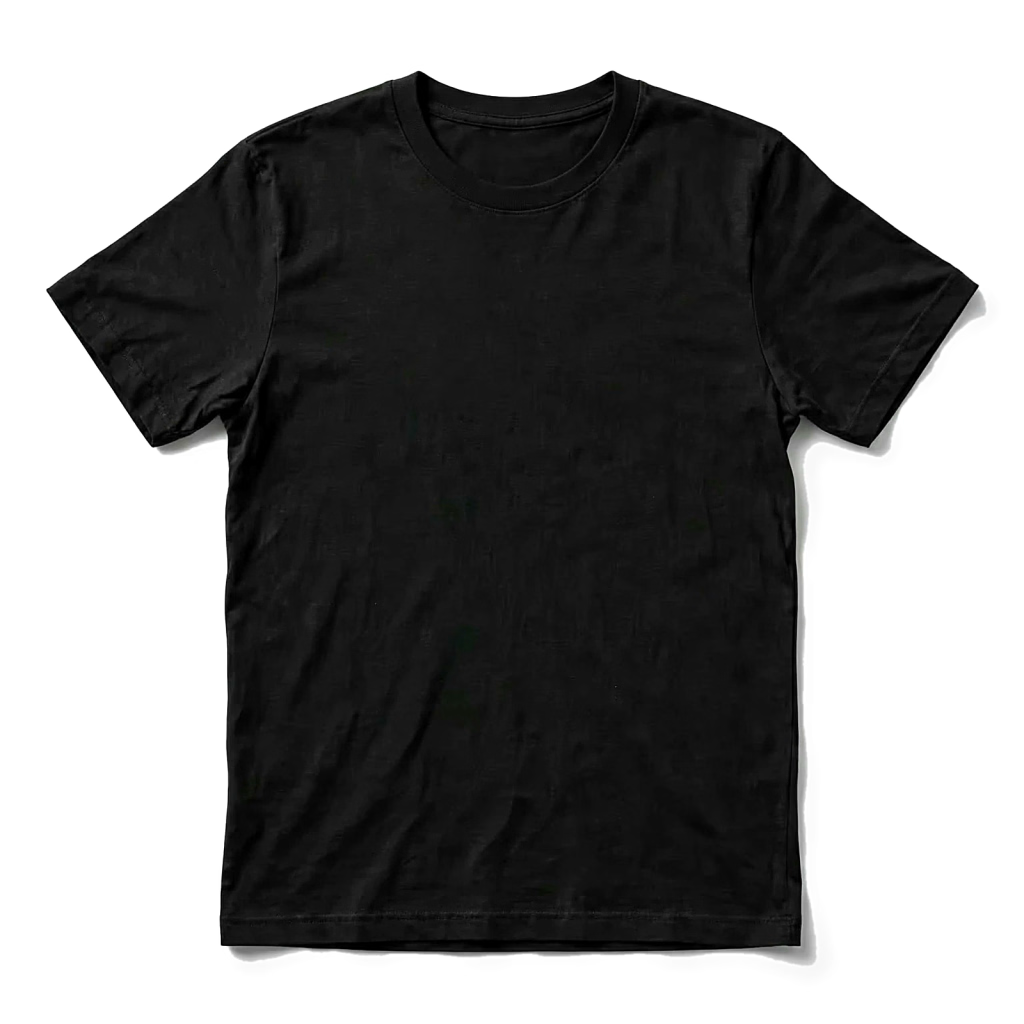
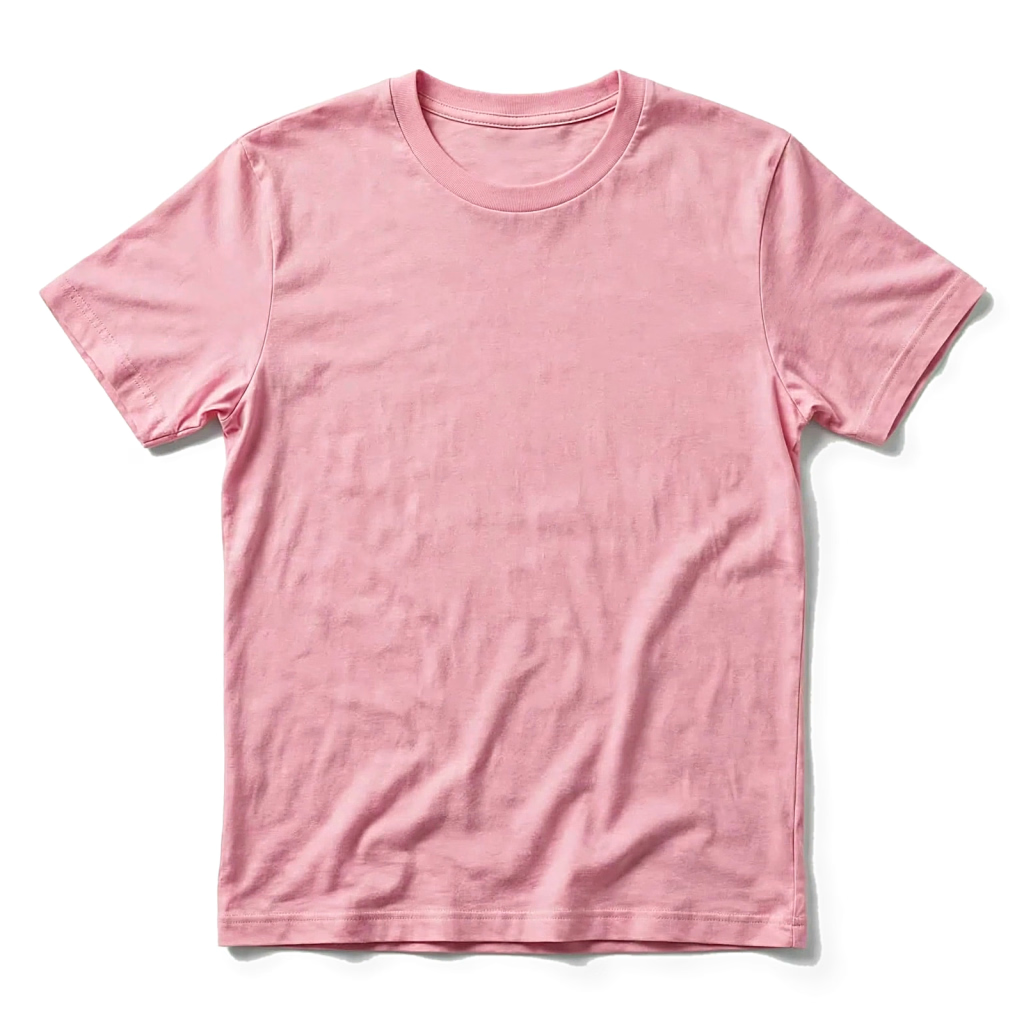
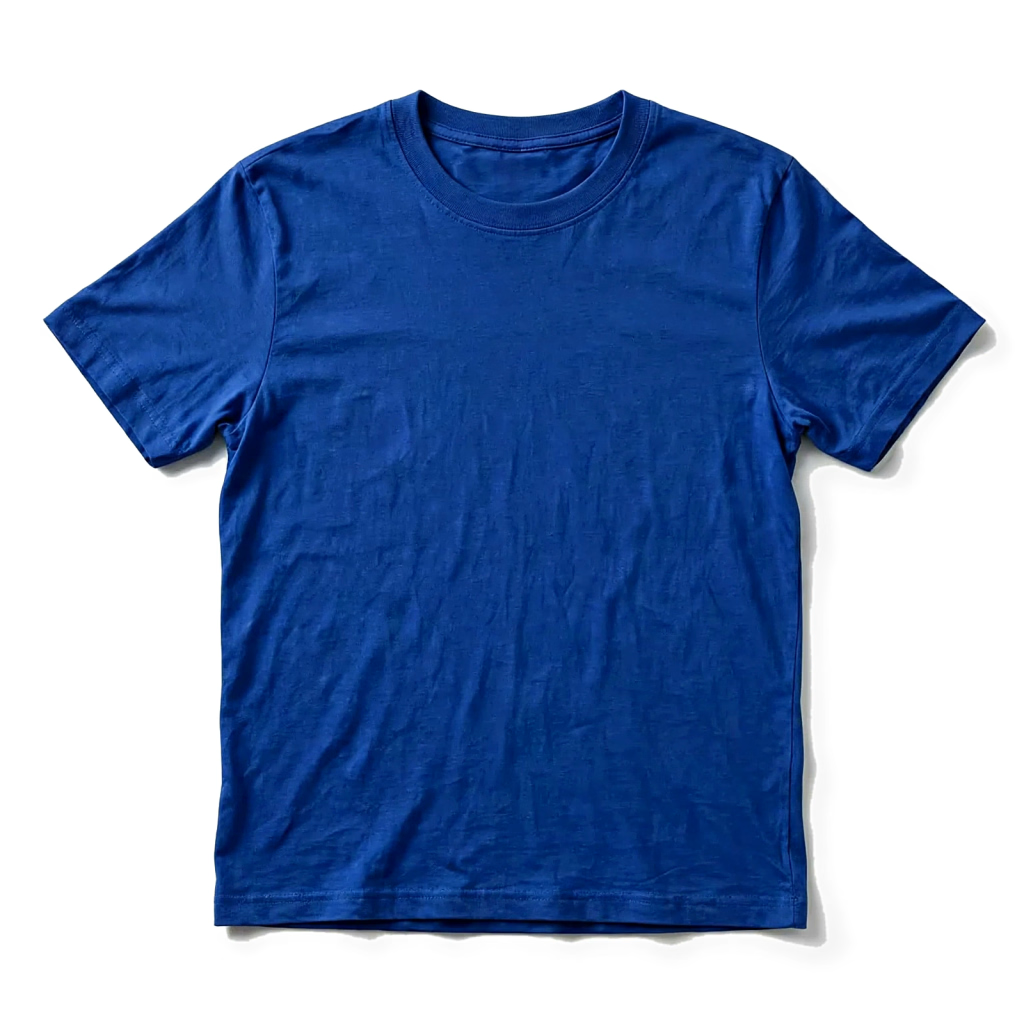
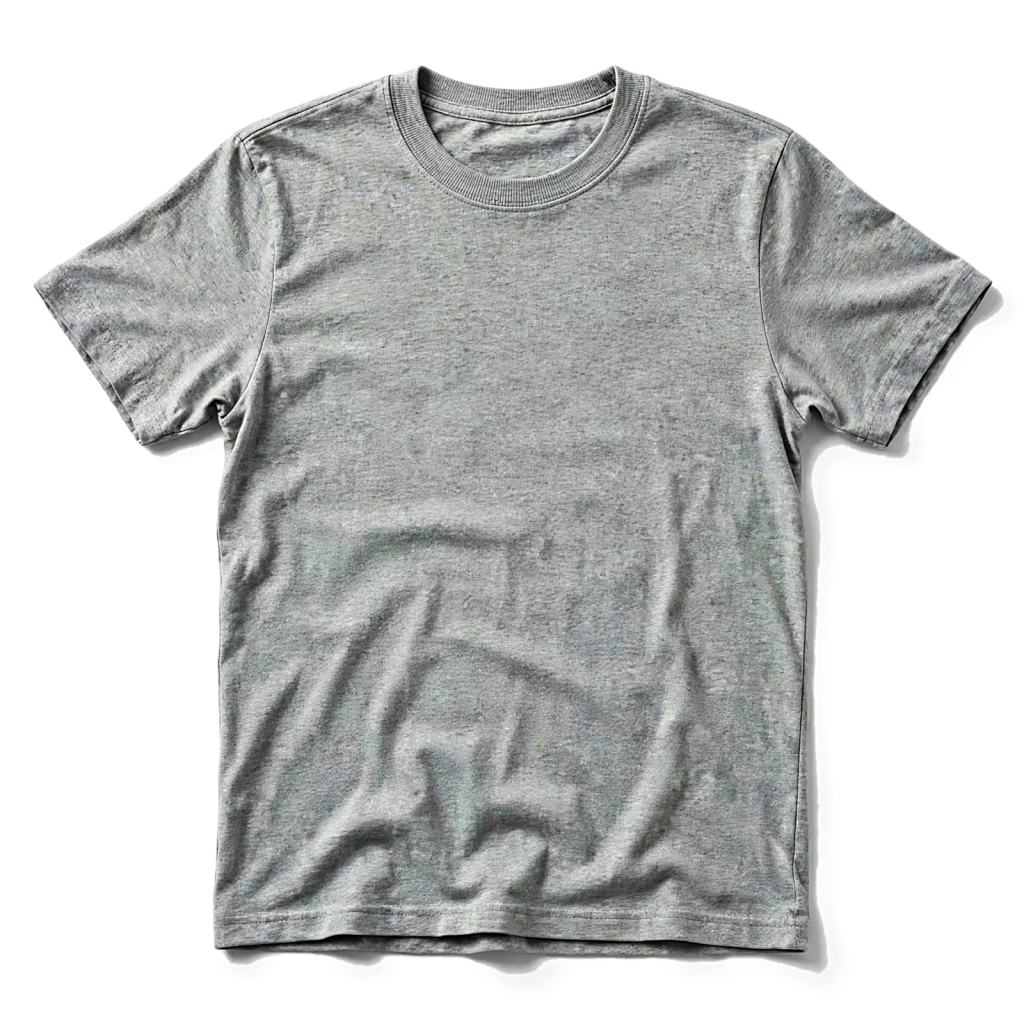
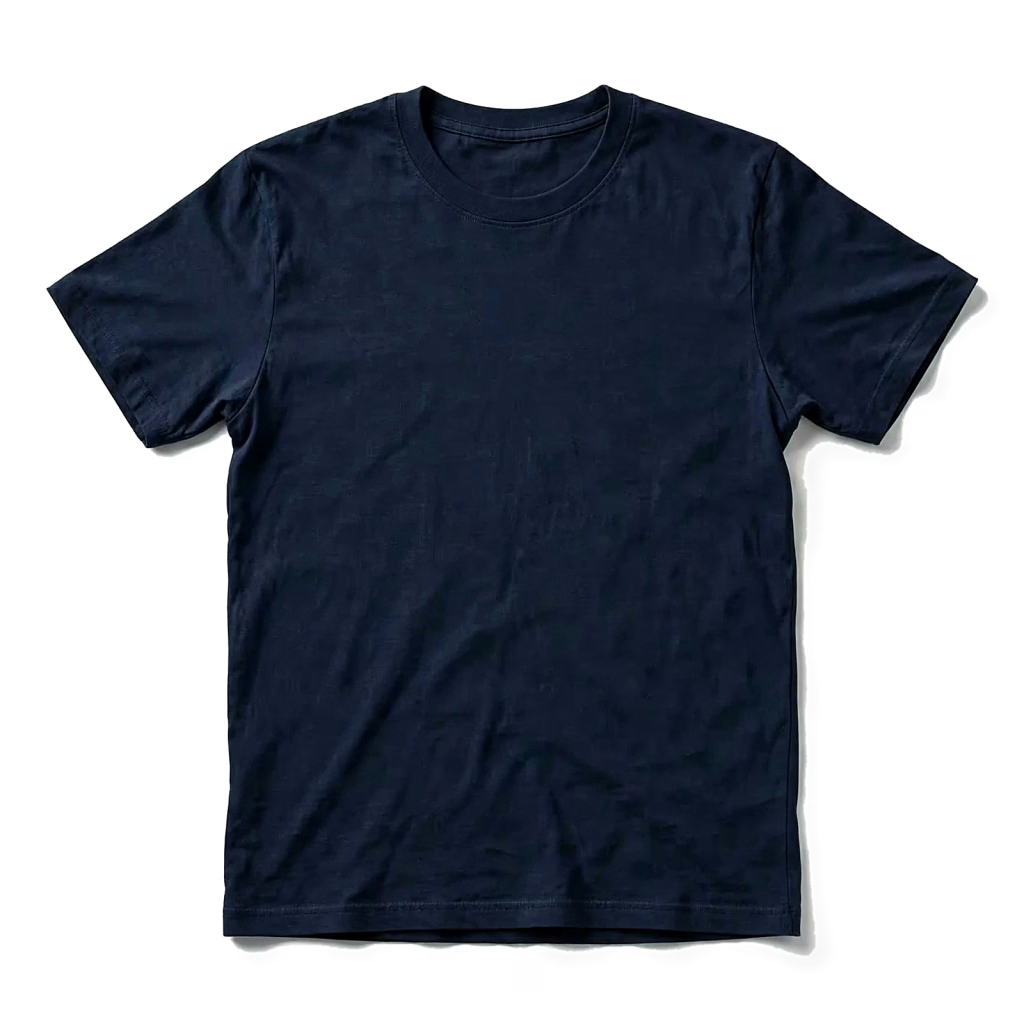
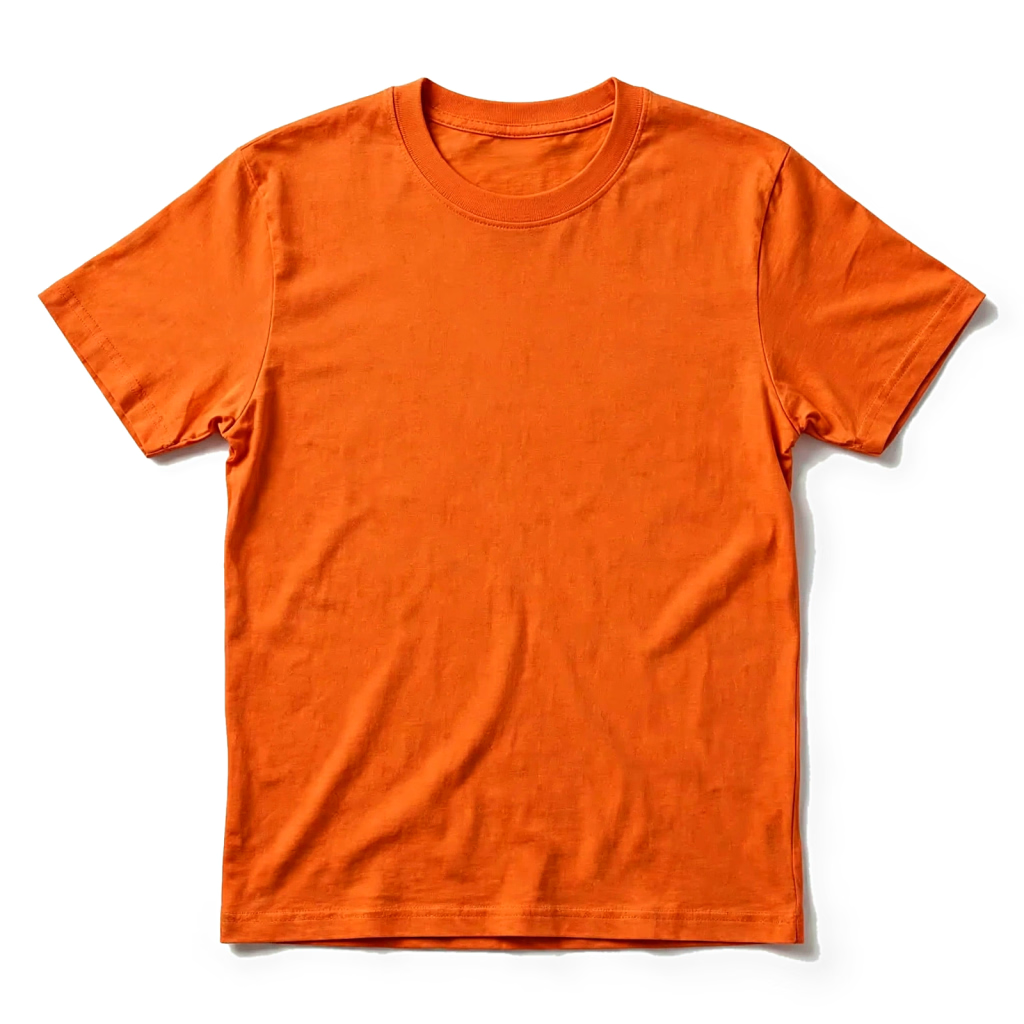
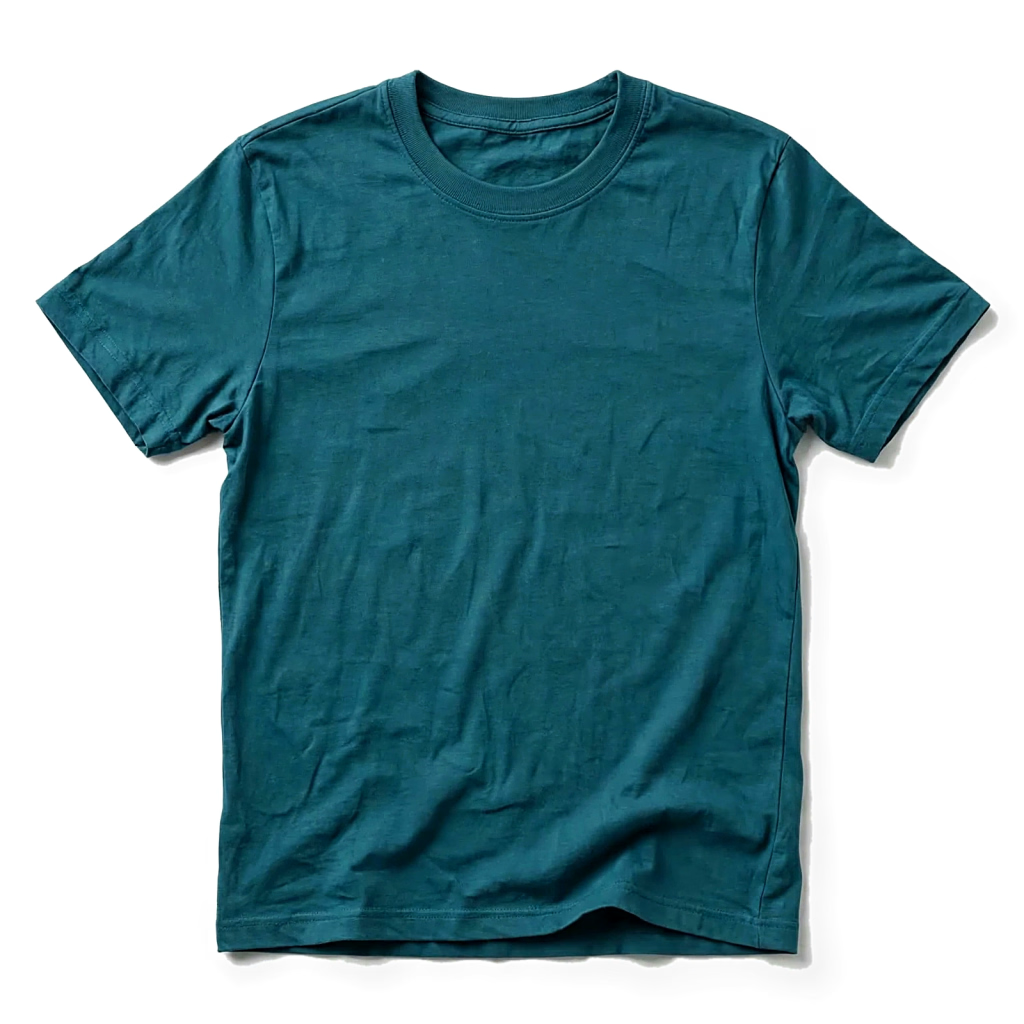
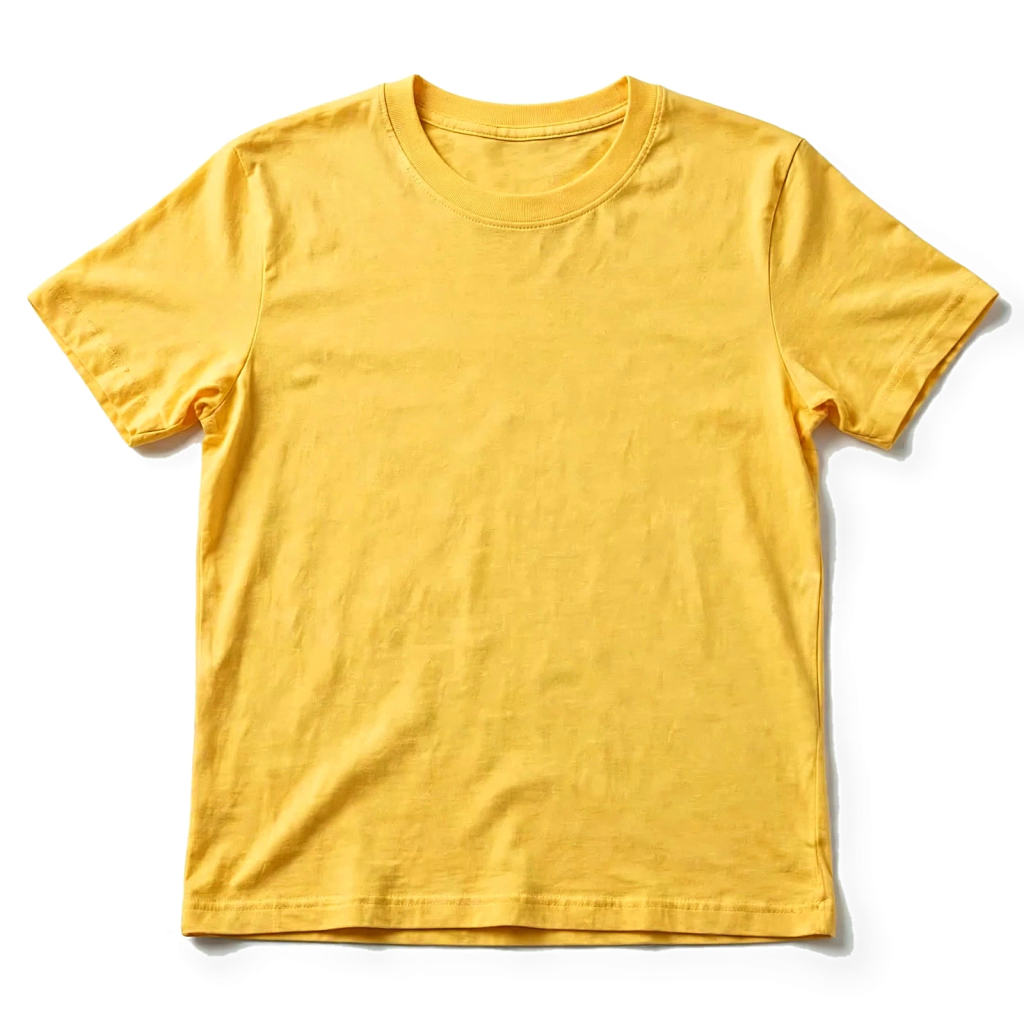
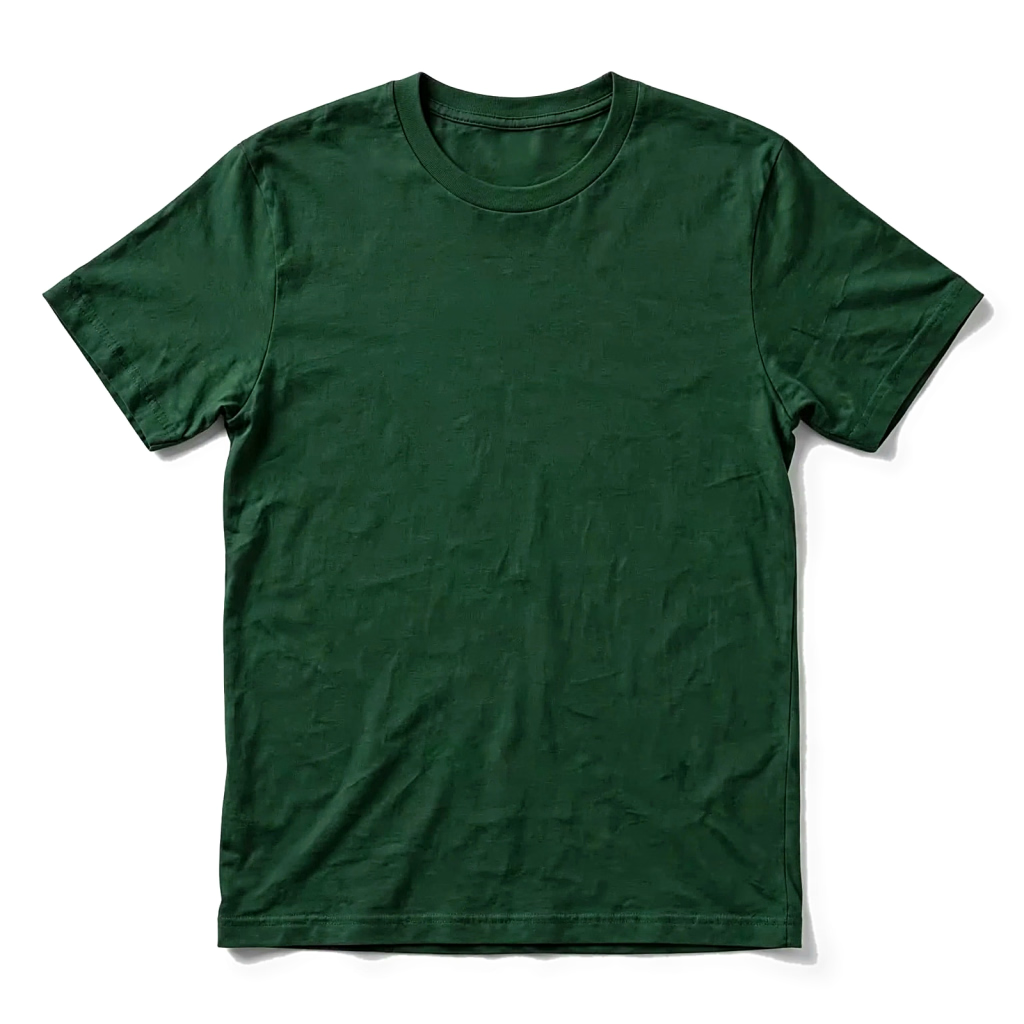
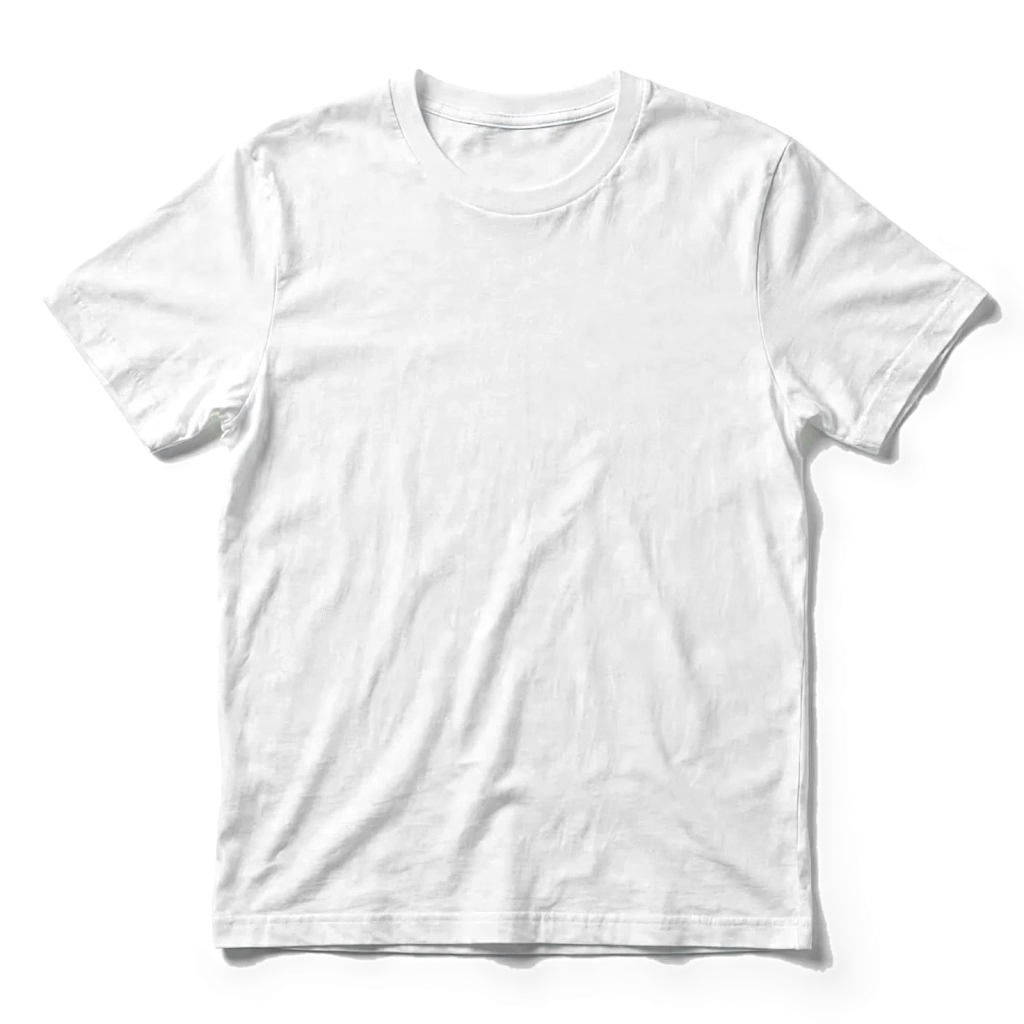
Short Sleeves T-Shirt Manufacturer Bangladesh for Basics, Retail and Promotional Programmes
No garment in our range is specified more often, or by more different kinds of buyer. The same essential tee becomes a basics brand’s core line, a retailer’s opening range, a school PE kit, a festival’s merchandise and a company’s staff issue, each version differing in weight, fit or finish.
Holding those versions consistent is the real work. The block, the fabric and the shade standard cannot drift between one buyer’s programme and the next, so our lines sew short sleeve tees all year, from summer-light jersey to heavyweight cotton, to one unchanging make standard.
Short Sleeves T-Shirt Fabric Options
- 100 percent combed cotton single jersey at 150 to 180 GSM – the classic short sleeve weights for retail and promotion
- Heavyweight cotton at 200 to 240 GSM for premium, streetwear and workwear programmes
- Cotton and polyester blends for staff and service wear washed constantly
- Slub, melange and garment-dyed jerseys for fashion-led ranges
- Organic cotton options, knitted to order for sustainability-led basics
Each fabric is knitted for the programme it will serve, and its shade is signed off before cutting begins. A multi-colour order therefore reaches the rail as one family, not as a set of garments that merely resemble each other beside the till.
Short Sleeve Lengths, Settings and Fits
Sleeve length is a design decision most buyers inherit without noticing. The classic sleeve ends mid-bicep; a shorter cut serves ladies and fashion fits; a longer, looser sleeve serves streetwear and workwear. Settings are set-in as standard, with raglan for sport and casual programmes and drop shoulders for oversized styles.
The sleeve opening is finished with a stitched hem or a ribbed band, and its circumference is graded with the sizes, so a 3XL never wears a medium’s armhole. Fits run regular, slim, relaxed and oversized across mens, ladies and youth blocks, with cap and flutter sleeves extending the ladies range.
Whatever the variant, sleeve and shoulder are sampled on the body rather than judged flat on a table. Short sleeves are worn in the open, with no layer above them to forgive a line that sits wrong.
Sleeve Setting, Shoulder Tape and Construction Craft for German and Swedish Retail Standards
The short sleeve shows the shoulder line more openly than any other part of the garment. The shoulder seam therefore sits exactly on the shoulder point, taped so it cannot stretch out of length, and the sleeve is set with its ease placed where the pattern intends, never gathered at the front where a pucker announces cheap making.
Retail buyers in Germany and Sweden judge this construction hardest, because their customers return garments whose shoulders twist after washing. Sleeve hems are stitched parallel and even, side seams run true, and every neckline – crew, V or scoop – is finished to the same recovery standard, then wash-checked before bulk so the approved line is the line that ships.
Custom Printing, Embroidery and Branding
A short sleeve tee accepts every decoration route: screen print for bold artwork, DTG for photographic images, DTF for shorter runs, and embroidery where a chest mark has to outlast the garment. Sleeve prints and hem labels add quieter branding positions, and private label finishing – printed or woven neck labels, branded tape, retail folding and bagging – is completed inside the same order.
Print houses that want the garment unbranded until their own print stage buy through our blank t-shirts for printing line, cut from the same blocks. Youth programmes printed for the USA are produced with CPSIA-compliant labelling, so school and event ranges clear their market’s rules without a second handling.
Custom Sizes, Fits and Colours
Sizes run XS to 3XL in adults, with youth and plus extensions, and every size carries its own sleeve and body grading on the pattern file. The colour library covers the permanent basics and the seasonal brights; custom shades are dyed to a swatch or a Pantone reference, and the approved standard is held for reorders. Because these tees anchor so many ranges, new colours are matched against the buyer’s garments on the rail, not the swatch alone.
Sampling and Fit Approval
Samples are sewn in the production jersey at the production weight, then worn and washed before approval wherever the buyer wishes, and measured flat against the specification. Sleeve length and opening are judged on the body, because half a centimetre at the sleeve changes the whole character of the style.
Comments return as a revised sample, the approved set is filed with its measurement record, and final inspection compares the bulk against that record, not against anyone’s memory of it. The same discipline applies whether the buyer approving sits in the UK, Canada or Australia.
Quality Assurance and Production Follow-Up
Fabric is checked for weight, shade and faults before cutting; the first pieces off each line are measured across body, sleeve and neck; prints are registered against the approved standard; and finished garments pass a final AQL inspection whose results and photographs are shared as routine.
Sleeve symmetry, left against right, is a named check on the inspection sheet, because uneven sleeves are the fault customers spot first and forgive least. Programmes bound for Germany, Spain, Italy and Sweden can be produced in OEKO-TEX certified fabrics with REACH-compliant dyeing, and one named contact owns the order from first sample to final carton.
Short Sleeve Tees for Schools, Staff Wear and Summer Ranges
A school judges this garment on whether it survives a year of weekly washing; a staff programme judges it as the visible layer of the company, printed or embroidered and replaced on a cycle; a summer retail range judges it on the rail in the first three seconds.
The style serves all three when the make is honest. Its simplicity helps the buyer too, because there is nowhere in a plain tee for a factory to hide a shortcut: a sample washed hard tells you nearly everything about the bulk that will follow.
Why Source Short Sleeves T-Shirts from Bangladesh?
Bangladesh sews more short sleeve tees than anywhere else, and that volume has built a skill base no newer sourcing country can copy quickly: operators who set sleeves by instinct, supervisors who spot a drifting shoulder seam from across the line, and yarn, fabric and trim suppliers in the same districts as the factories.
The cost base that built the country’s name still holds, while export routines into the USA, the UK, Germany, Canada and Australia – and increasingly Spain, Italy and the UAE – keep paperwork, testing and delivery predictably dull, which is exactly what a basics programme needs.
Why Choose Siatex Bangladesh?
Siatex Bangladesh has manufactured in Bangladesh since 1987, and the short sleeve tee is the garment our buyers have reordered most across those decades. They return because the second order matches the first: the same block, the same shade standard, the same inspection honesty, and a team that raises a problem while it is still small enough to solve.
Mixed programmes stay coherent as well. The standards proven here run through our crew neck t-shirts and the rest of the basics family, every buyer’s settings held on one specification file, so a range built across several styles still arrives as one family.
Looking for a Short Sleeves T-Shirt Manufacturer Bangladesh?
Is your current short sleeve tee letting the range down – a sleeve that twists, a shoulder that drifts, a shade that will not repeat? Send us the fit, the weight and the neckline you want, and we will return a price and a sampling plan built on the production fabric.
Or send the shirt you already buy, faults and all. Fixing one known fault – a sleeve, a shoulder, a collar – is the easiest sampling brief there is, and the fastest way to judge a new maker.
Siatex Bangladesh
Made in Bangladesh
OEM/ODM Private Label Production Only
Sleeve Length and Opening – The Small Measurements That Set the Style
Two tees with identical bodies read as different garments once the sleeve changes. A classic sleeve ends near the middle of the upper arm, its opening clearing the arm comfortably; shorten it and tighten the opening and the style turns fitted and fashion-led; lengthen it toward the elbow and it turns relaxed or workwear.
These are pattern settings measured in centimetres, and they belong on the tech pack, specified rather than inherited from whatever a factory usually sews. At sampling, judge the shirt on the arm, not on the table: the sleeve is the style’s signature, and the cheapest place in the garment to get the design right.
Set-In, Raglan or Drop Shoulder – Choosing the Shoulder Line
The set-in sleeve gives the classic tailored shoulder and suits basics, retail and uniforms. The raglan, cut on a diagonal seam, frees movement and reads sporty or casual, a natural choice for training and leisure programmes. The drop shoulder moves the seam off the shoulder point altogether, building the oversized silhouette streetwear programmes favour.
Each setting changes the pattern, the fit and the print area near the shoulder, so it is chosen at development and held across the range. Mixing settings inside one style family makes a rail look accidental rather than designed.
First-Wash Truth – What a Sample Tells You After Five Washes
A new tee can hide almost anything; a hard-washed sample hides almost nothing. Wash the approval sample before signing anything: collars that wave, bodies that twist, prints that crack and shades that fade all declare themselves early, while they can still be corrected at the fabric or process stage. Check the sleeve hems and shoulder seams after washing too, because that is where stitch-tension problems surface first.
Keep the washed sample. When the bulk arrives, wash one bulk piece beside it and compare collar, body and print side by side – the simplest receiving inspection a buyer can run. Finished cartons sail from Chattogram to Felixstowe for the UK, Hamburg for Germany and New York for the USA, and the bulk that lands should match that washed sample garment for garment.