
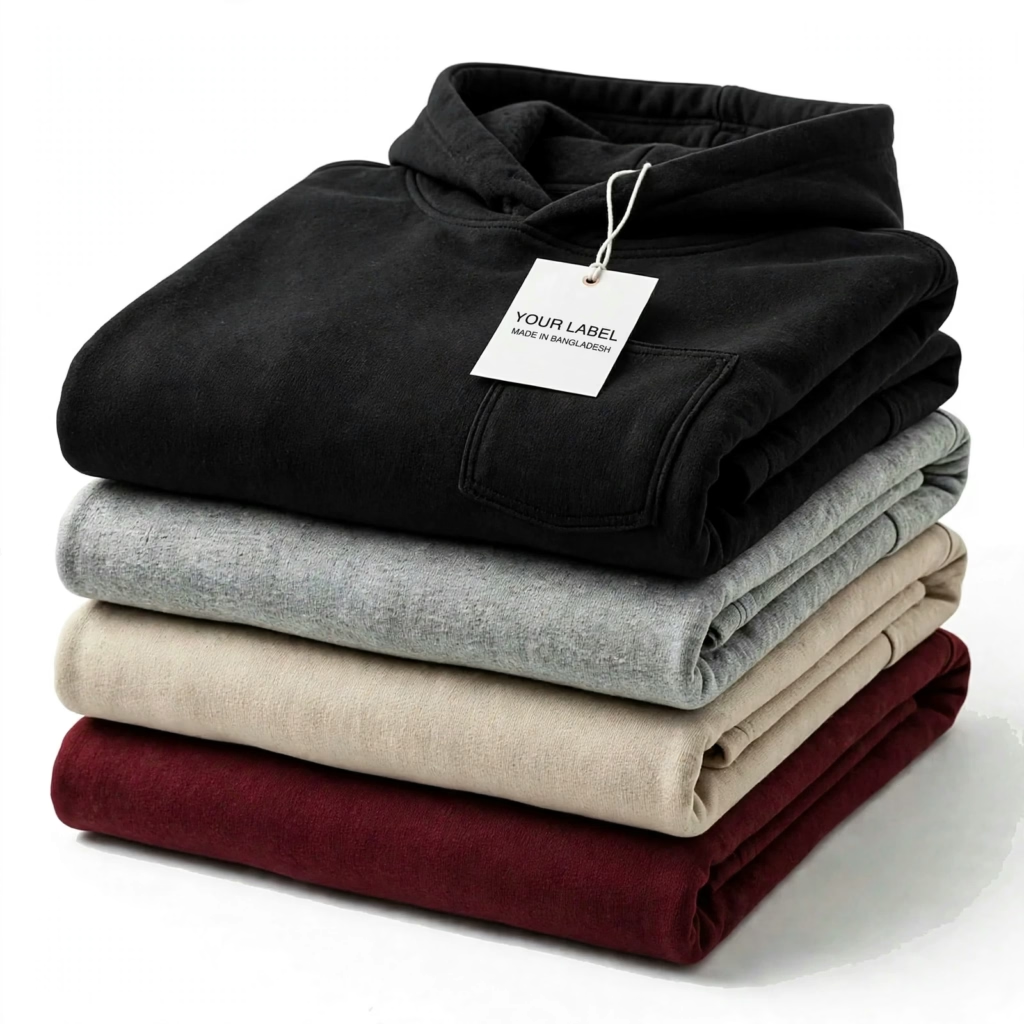
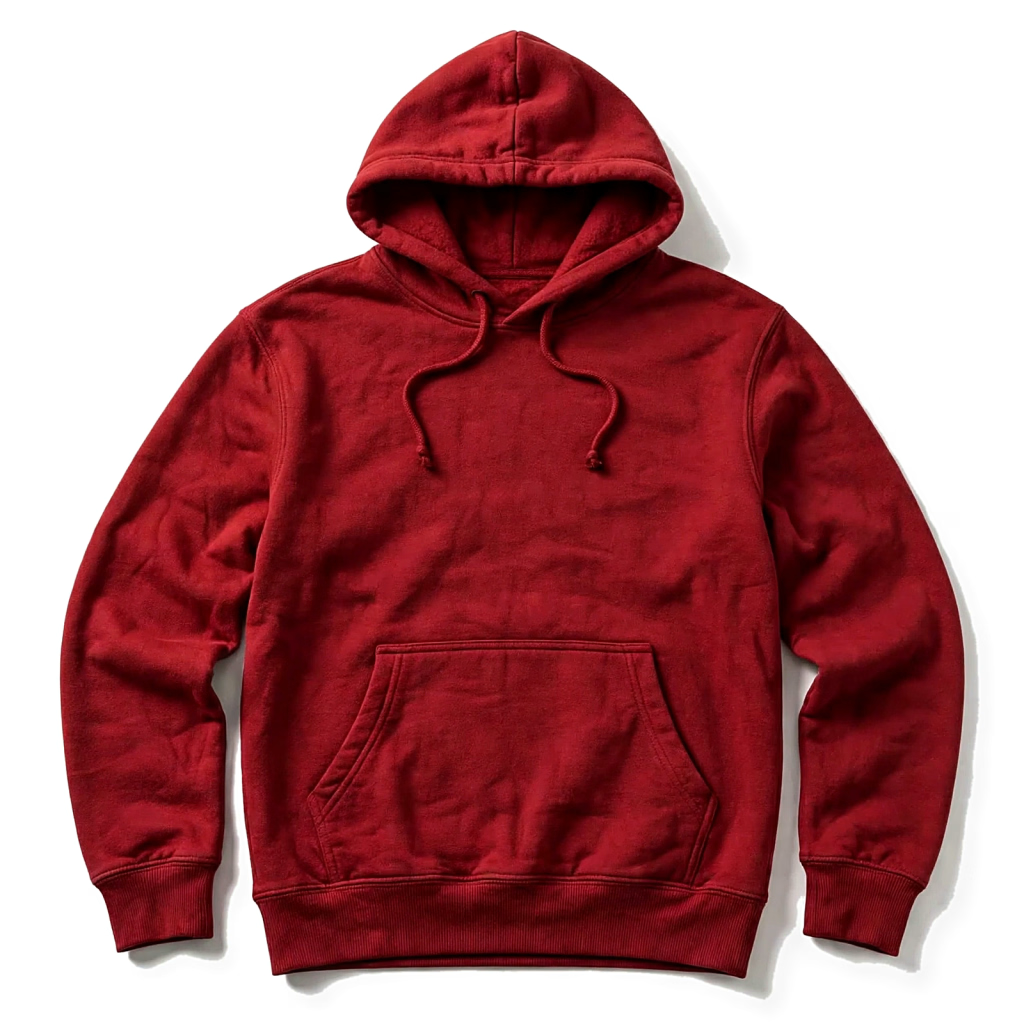
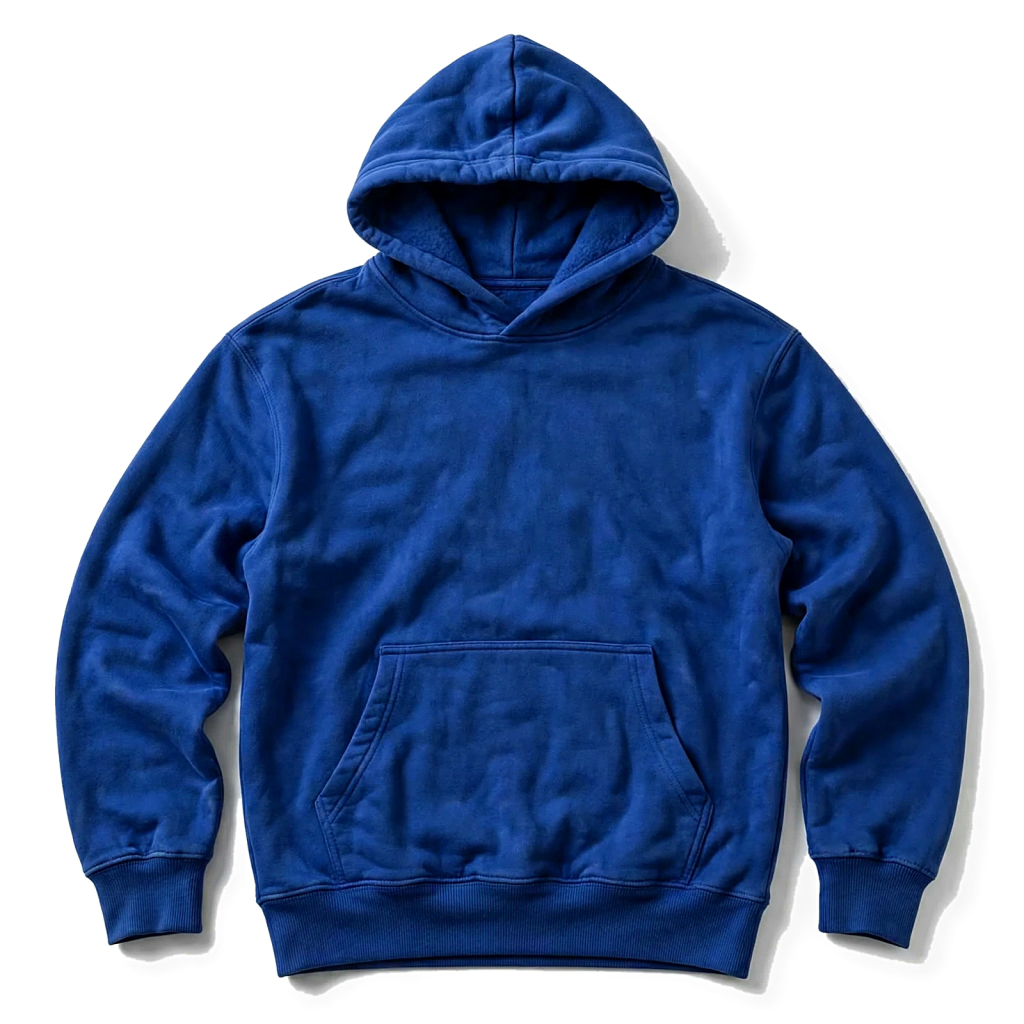
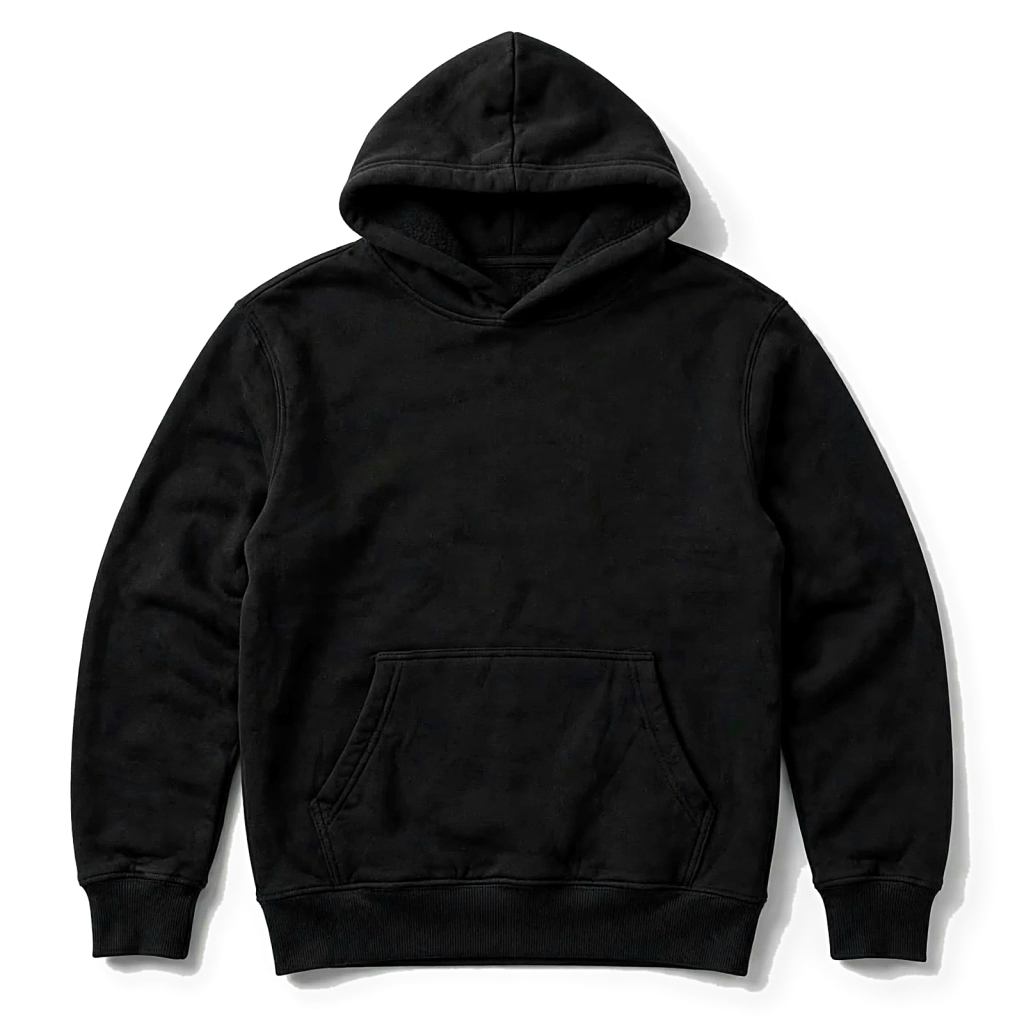
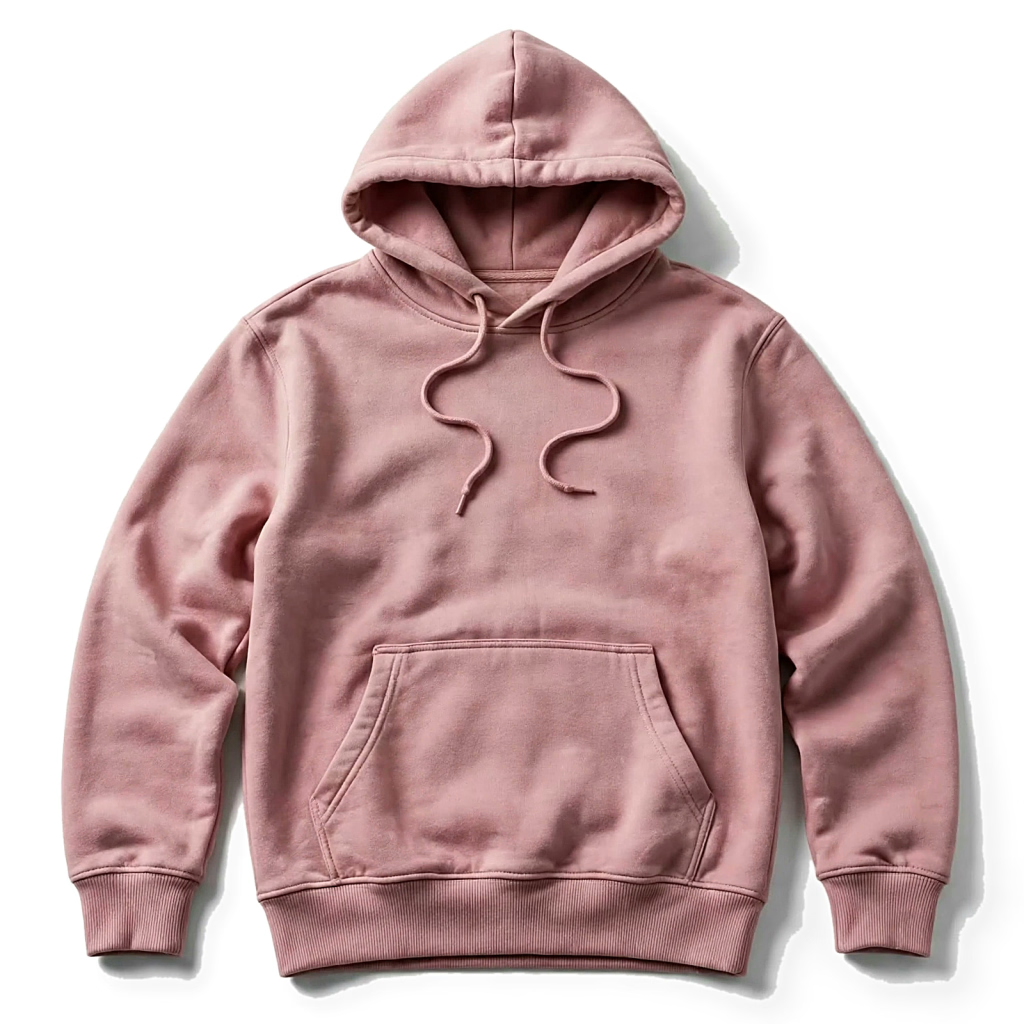
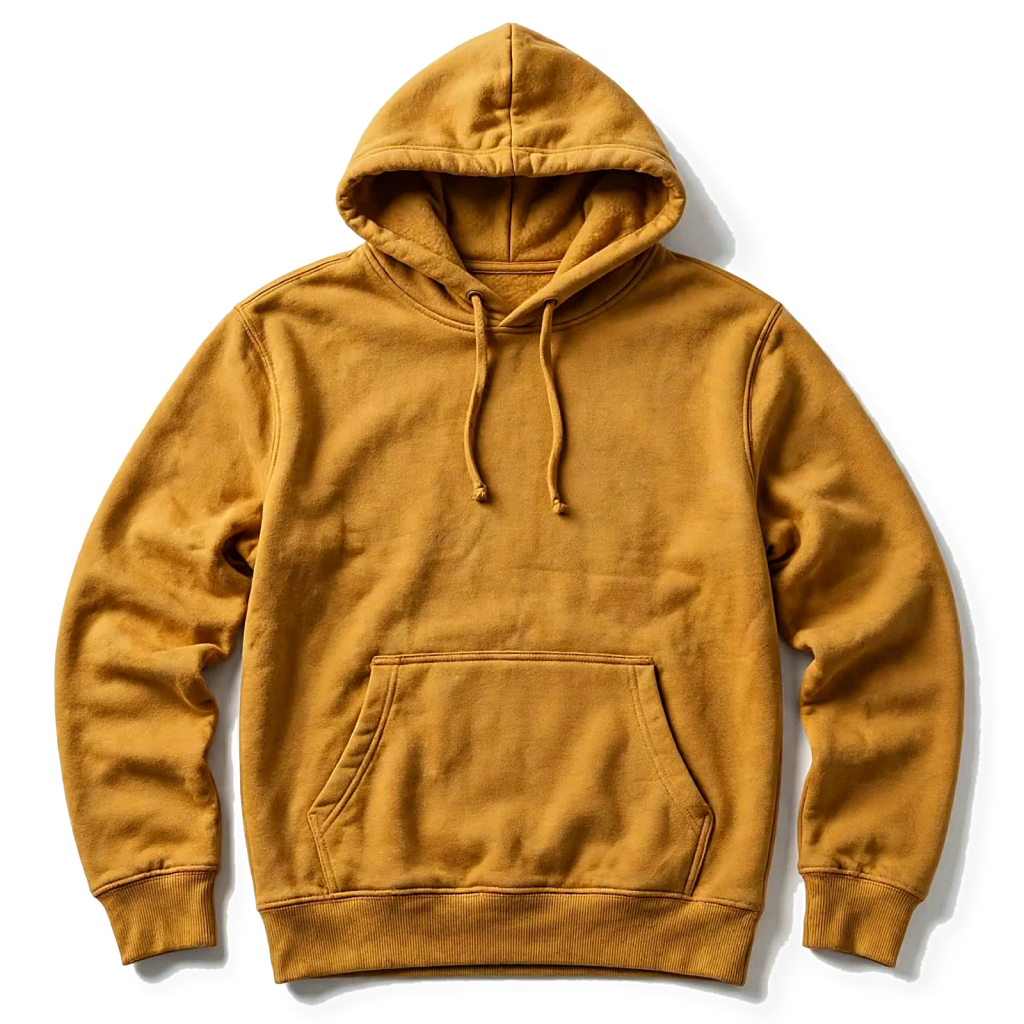
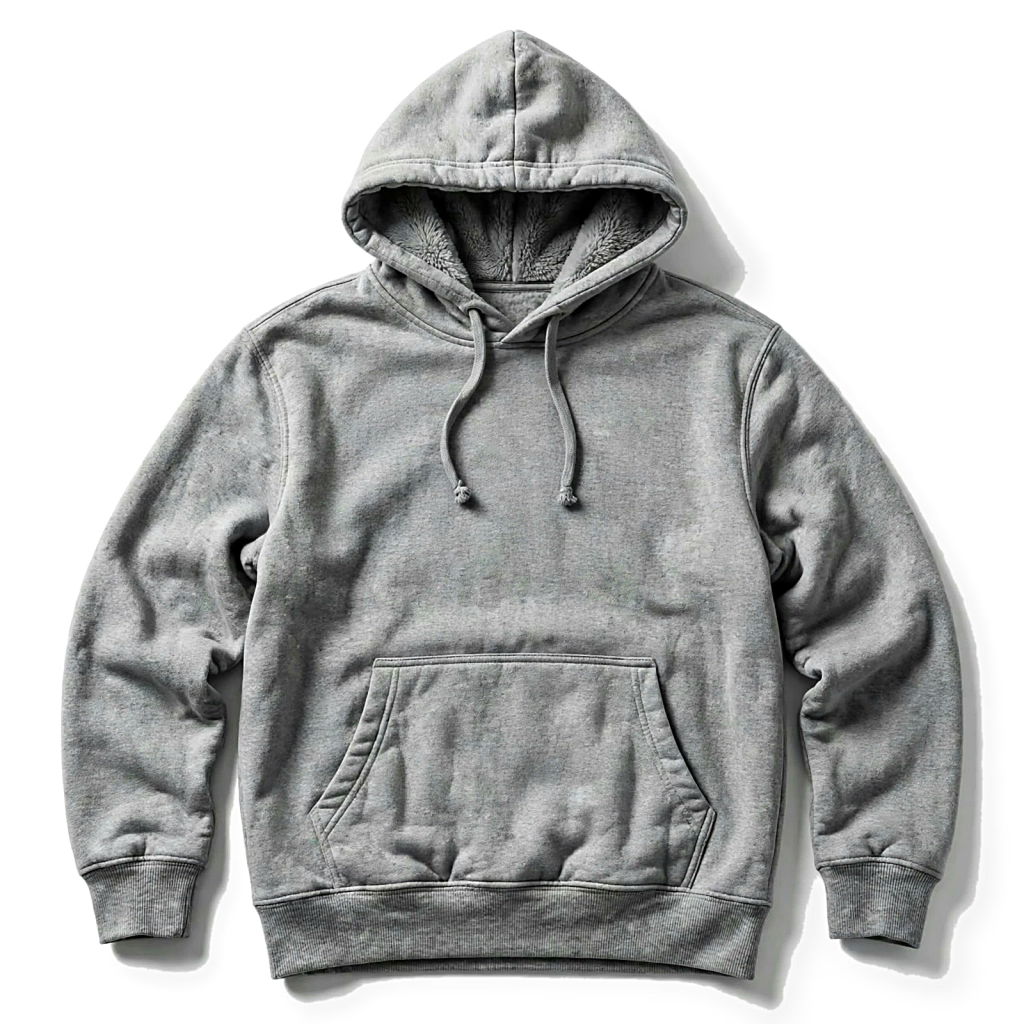
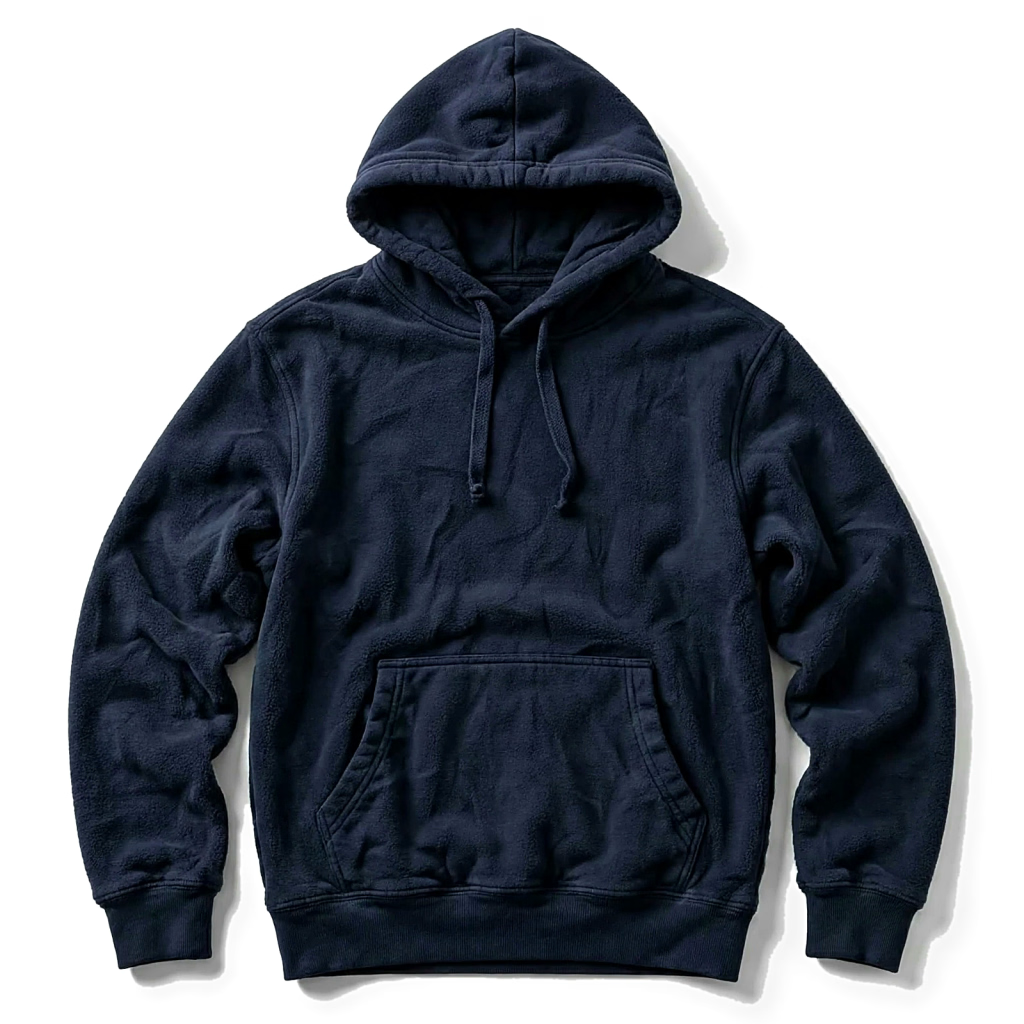
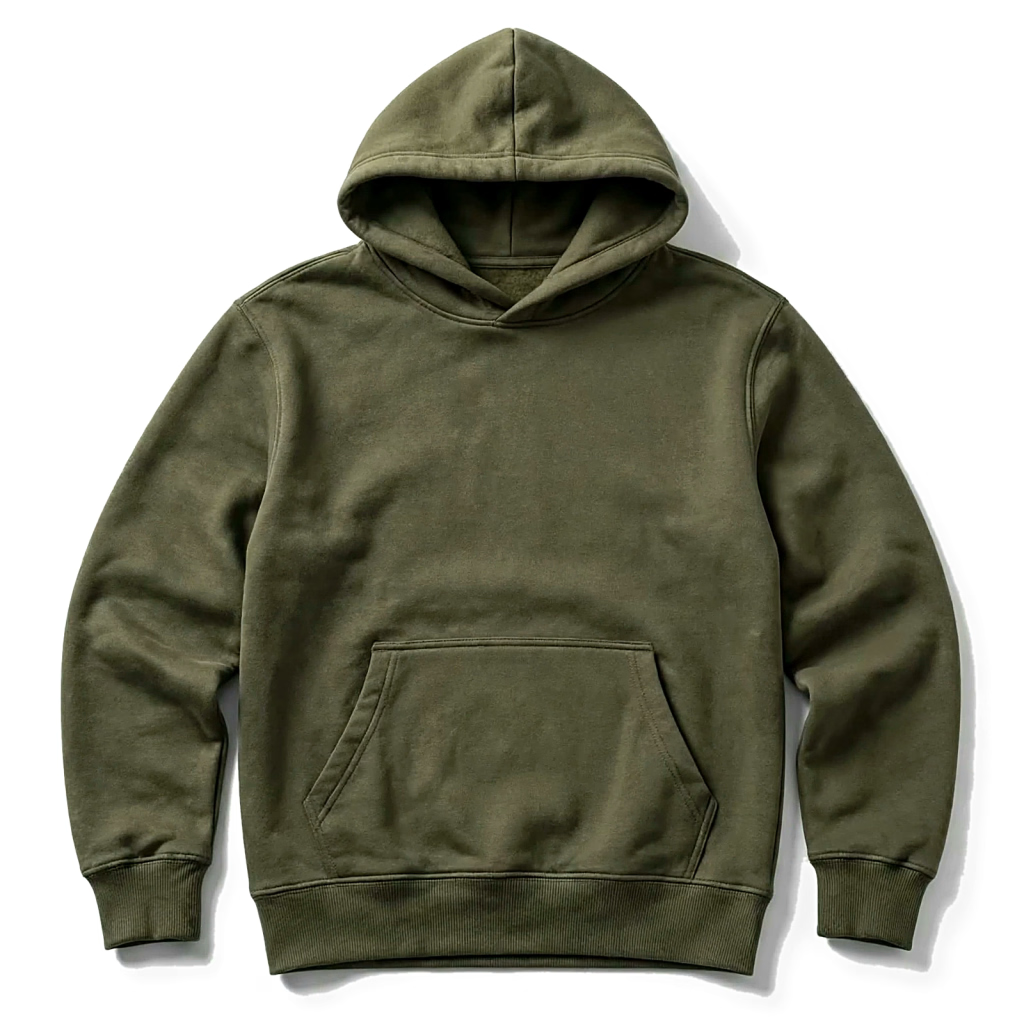
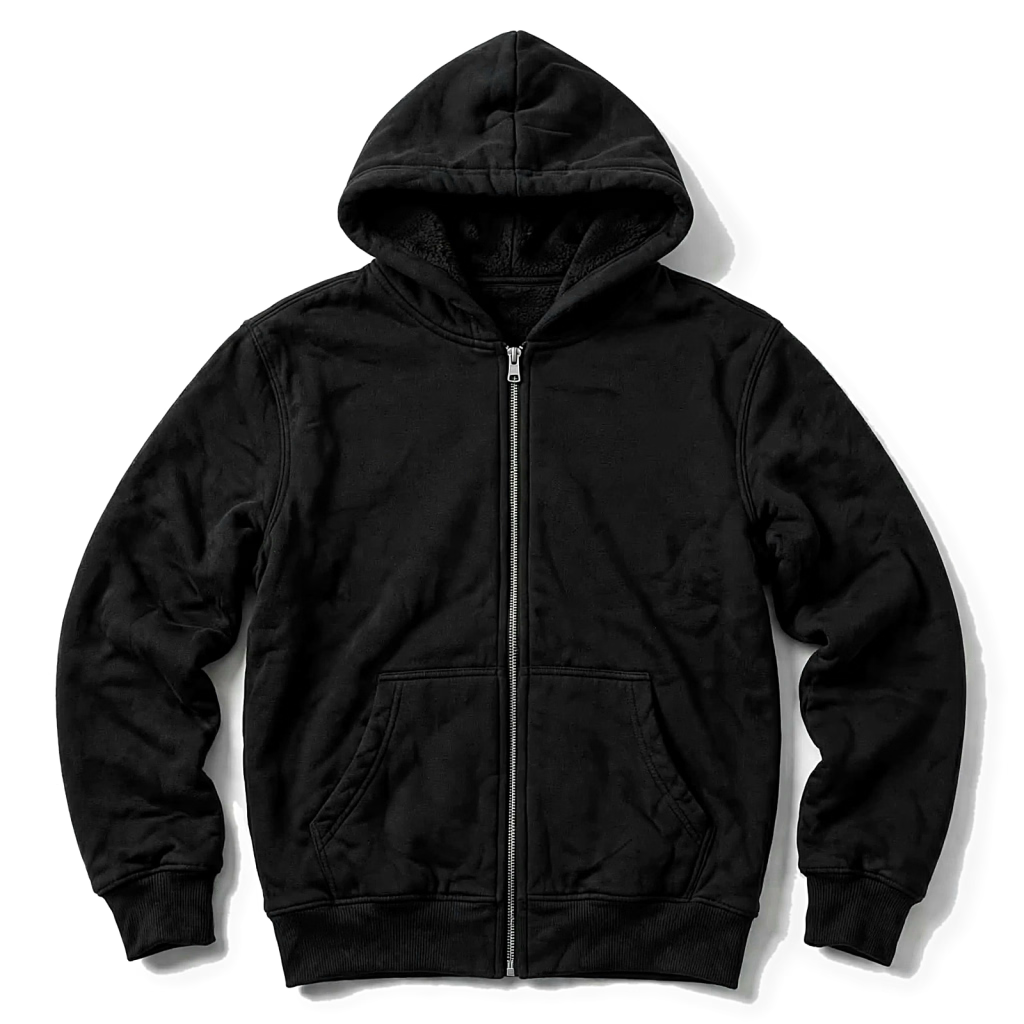
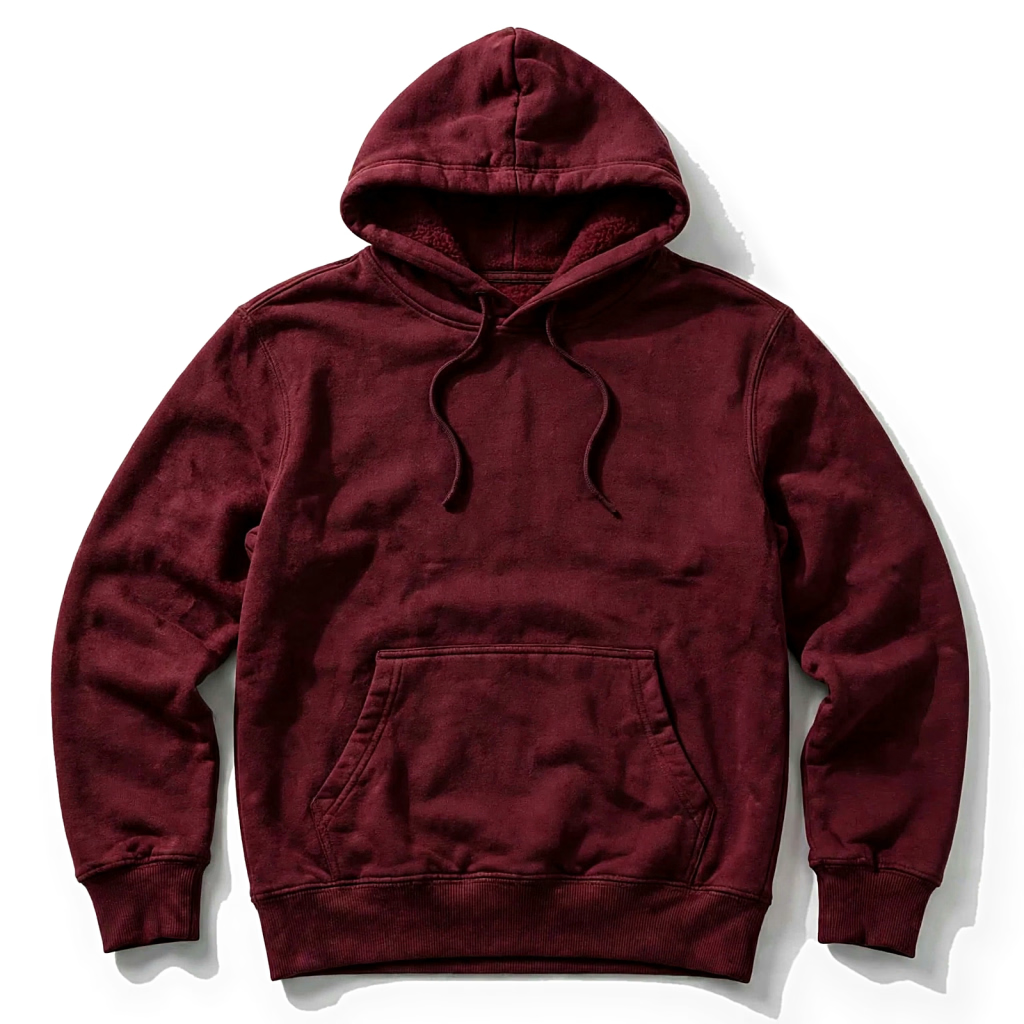
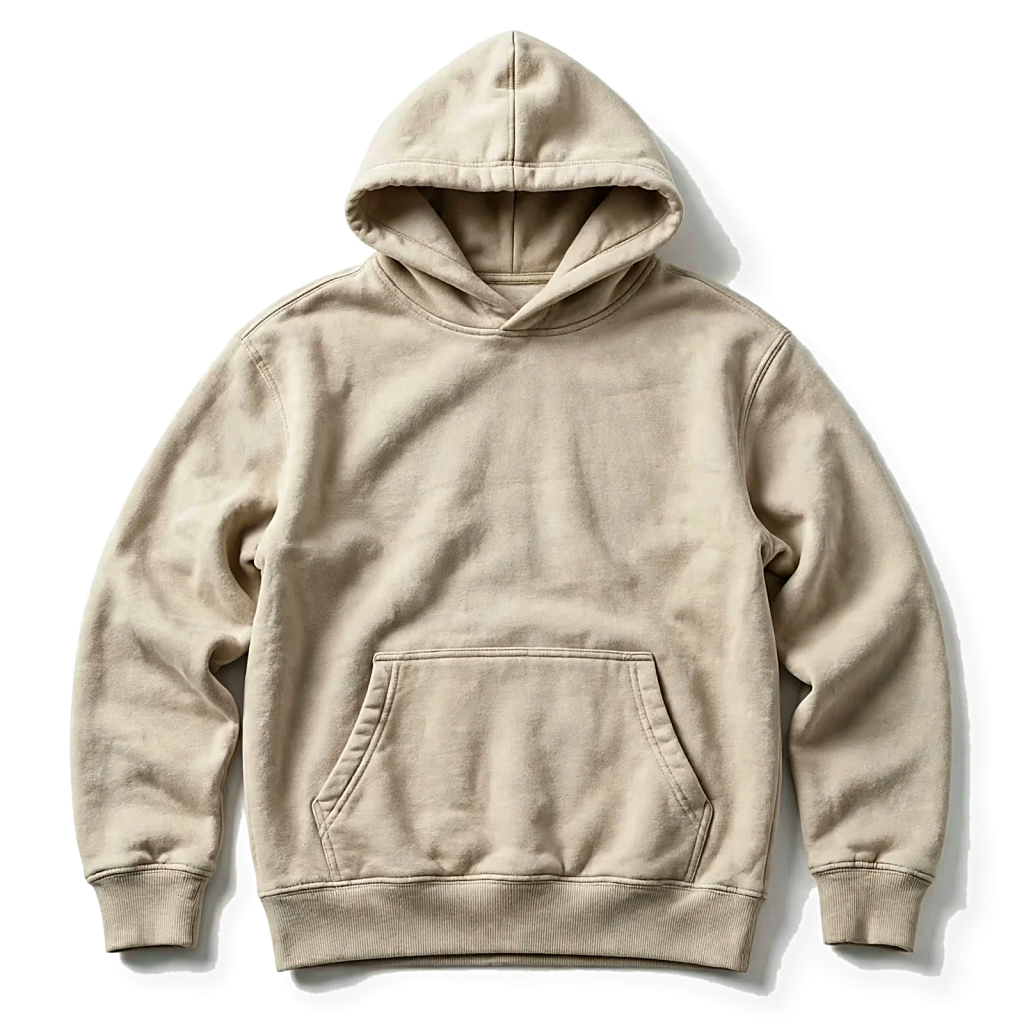
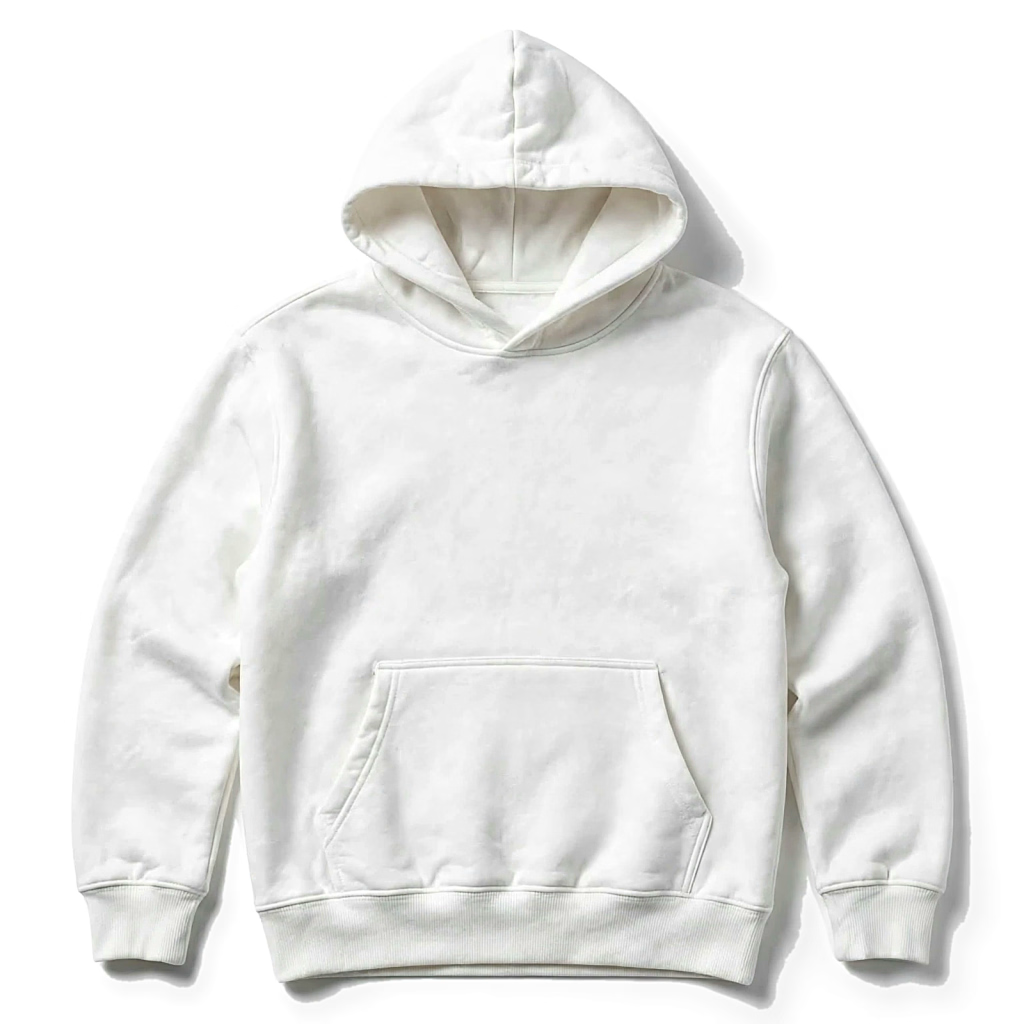
Hoodies Manufacturer Bangladesh for Fashion Brands, Streetwear and Retail Ranges
The hoodie has travelled from workwear to the centre of modern casual fashion, and the fashion end of the market judges it as a designed garment: silhouette, weight, colour story and finish all deliberate. Streetwear labels build drops around it; premium basics brands anchor their winter range on it; retailers measure it by sell-through at full price.
That judgement needs a maker who treats a hoodie as a development, not a commodity: pattern first, fabric honest, and the details – hood shape, rib quality, drawcord finish – specified rather than left to habit.
Hoodie Fabric Options
- Heavyweight brushed fleece at 350 to 450 GSM – the streetwear standard, dense with a dry premium hand
- Midweight fleece at 280 to 320 GSM for classic retail hoodies worn across the season
- 100 percent cotton fleece for natural-hand premium ranges, with a cleaner print face
- Garment-dyed and pigment-dyed fleece for washed, vintage-effect colour stories
- Loopback sweatshirt fabric for lighter fashion hoodies and layered styling
Weights are quoted as finished GSM measured on the made fabric, not the loom target, because the buyer is buying the weight in the hand.
Hoodie Silhouettes, Hoods and Fits
Oversized and boxy fits with drop shoulders lead streetwear programmes; regular fits anchor retail basics; cropped and shaped fits carry ladies ranges as their own development. Hoods come double-layered for structure, lined in jersey for a lighter fall, or crossover at the neck for a fashion finish.
The hood is patterned to sit as a collar when down, not to flop. Zip hoodies, half-zip styles and sleeveless hoodies extend a range from one block family, sharing fabric and colour story across the drop. In Sweden and across Scandinavia, buyers brief the hoodie as a layering piece under coats, so lengths and hood bulk are tuned slimmer there.
Sleeve and body lengths are treated as design variables, not defaults. A longline fashion hoodie and a classic hip-length one may share fabric and colour yet remain entirely different products; the pattern file records each length as its own approved standard.
Pattern and Hood Craft Behind Streetwear Hoodies for Japan and the USA
A fashion hoodie stands or falls on its pattern. The body is cut with the ease placed where the silhouette intends, the sleeve is shaped for the drop or set of the style, and the hem and cuffs use rib with enough recovery to hold the line without strangling it.
The hood is built in panels with a centre seam shaped to the head. Kangaroo pockets are set level and bartacked, side seams run true, and the whole garment is garment-washed where the hand feel brief asks for softness from the first wear.
Hood construction gets its own specification. A double-layer hood is cut so both faces sit clean with no raw edge showing, the drawcord channel is stitched to stop the cord twisting, and cord ends are finished as the design directs – metal tips, dipped rubber or a clean knot. On heavyweight styles the inside face is brushback fleece, raised and sheared evenly so the hand feel is dense without shedding.
Printing, Embroidery and Graphic Branding
Streetwear graphics demand print quality that survives inspection at arm’s length: puff and high-density prints, oversized back graphics, chest embroidery from small logos to large applique work, and tonal-on-tonal designs for quiet premium ranges. Japanese streetwear labels are the strictest audience here, setting graphic size and placement tolerances that leave no room for drift.
Print placement on a shaped garment is set against the approved sample on a stand, since a back print sits differently on an oversized block than on a regular one. Private label finishing completes the product: custom neck prints and woven labels, branded drawcord tips, hangtags and retail packaging prepared inside the same order.
Buyers coordinating a full drop can match shades with our hoodie sweatshirts programme, which shares the fleece library.
Custom Sizes, Fits and Colour Stories
Sizes run XS to 3XL with the grading of each silhouette treated separately – an oversized block is not a regular block scaled, and returns data proves it within a season.
Colour stories are developed as stories: a core of black, grey marl and washed neutrals, fashion shades dyed to the season’s palette, and garment-dyed effects approved on made garments because dye behaves differently on a finished hoodie than on a swatch. Every colour is approved together under standard light so the rail reads as one intention.
Hoodie Sampling and Drop Development
Fashion sampling runs on the buyer’s calendar: a first sample in the production-weight fleece for silhouette and hand feel, revisions at pattern level, and a full pre-production sample in the final colour with the final graphics before the drop is cut.
Reference garments are welcome and are measured, not copied blindly – we will tell you what your reference is doing well and where its fabric is quietly cheaper than it looks. Sample photography on a stand supports the buyer’s internal range reviews, and the approved sample becomes the standard at final inspection.
Quality Assurance and Production Follow-Up
Fashion fleece is checked for finished weight, shade and brush before cutting. Garments are measured across the full silhouette set including hood dimensions, which commodity inspection skips, and prints and embroidery are matched to the approved graphics under standard light.
Garment-dyed runs are checked piece-family by piece-family for the consistency the effect allows. European programmes are produced to REACH chemical limits on dyes and finishes, with the test paperwork buyers in Germany and France file for market entry. Final AQL results and photographs go to the buyer as a file.
One contact follows the drop from fabric to carton, knowing which week the season turns.
Hoodies for Streetwear Drops, Premium Basics and Campus Ranges
Streetwear buyers need the weight and graphic authority that make a drop sell out rather than mark down. Premium basics brands need the restraint of a perfect plain, repeated identically across seasons. Campus and licensed-style ranges need colour confidence and graphics that survive a student’s washing habits.
All three rest on the same factory virtues – honest fabric, deliberate pattern, disciplined graphics – tuned to different briefs, and on the specification file that makes the second drop start from the first drop’s proof rather than from hope.
Why Source Hoodies from Bangladesh?
A hoodie is mostly fabric, and Bangladesh makes the fabric where it sews the garment. The knitwear belt knits, raises, brushes and dyes fleece inside one region, so a heavyweight brushback or a garment-dyed story is developed on live production, with shade and hand feel corrected in days rather than across an ocean.
The sewing depth matches it: panelled hoods, kangaroo pockets, rib work and zip setting are everyday operations here, and the cost base keeps a 400 GSM garment commercially possible at a retail price. For buyers, that combination – fabric control plus heavyweight economics – is the structural reason hoodies source well from Bangladesh.
Why Choose Siatex Bangladesh?
Siatex Bangladesh has manufactured clothing in Bangladesh since 1987, and hoodies sit with the team that develops for fashion brands – pattern-aware, graphic-literate and blunt about fabric truth. If a fleece will not hold the promised weight after washing, we say so at sampling, not at inspection.
Your drop sits with one accountable contact, the approved sample stands behind the bulk, and the file we hold turns a successful first drop into a repeatable range. Programmes extending into summer can carry the same branding discipline into our promo t-shirts line without a new supplier conversation.
Looking for a Hoodies Manufacturer Bangladesh?
Still weighing two fabrics, or two factories, for the next drop? Send the style reference, the target weight and the colours you are planning, and we will return a price, a fleece swatch at the quoted weight and a sampling plan.
If you are between two weights, we will sample the leading one and swatch both – a hoodie is chosen by the hand, we would rather your hand decided before your money did.
Siatex Bangladesh
Made in Bangladesh
OEM/ODM Private Label Production Only
Heavyweight vs Midweight – What the Hand Is Actually Judging
When a shopper lifts a hoodie and decides it feels premium, they are mostly judging finished fabric weight and brush quality. At 350 GSM and above, a fleece drapes with authority, the hood holds a shape, and the garment reads as outerwear.
At 280 to 320 GSM it reads as a classic sweatshirt layer. Neither is better in the abstract, but a mismatch between the promised story and the delivered weight is the fastest route to returns. We quote finished weight because loom-state numbers flatter the maker and mislead the buyer.
Garment Dyeing – the Washed Look and Its Honest Limits
Garment dyeing colours the finished hoodie rather than the fabric, which is why it gives those soft, slightly varied tones no piece-dyed cloth can imitate. Seams and ribs take the dye a fraction differently, and that variation is the charm.
It also means shade consistency is judged within an honest tolerance, and dark effects vary more than pale ones. Serious programmes approve garment-dyed colours on made garments across several pieces, not on one hero sample, and write the tolerance into the specification. Done that way, garment dye is a signature; done carelessly, it is a complaints department.
Building a Hoodie Range That Repeats – Blocks, Files and Second Drops
The difference between a one-off hoodie and a range is paperwork. The block is versioned, the fleece specification records fibre, weight and brush standard, the graphics file records sizes and positions per silhouette, and the colour approvals store dyed garment pieces, not just swatches.
With that file, a second drop adds colours and graphics in weeks instead of redeveloping from zero, and a reorder two years later lands as the same garment. The file also protects the buyer if people change on either side – the range’s memory lives in the documents, not in one merchandiser’s inbox.
Finished drops ship from Chattogram to Felixstowe for the UK, Hamburg for Germany and northern Europe, and Vancouver for Canada, with export documents prepared alongside the cartons. Buyers who have watched a best-selling hoodie come back wrong from a supplier who kept no file will understand why the file is part of the delivery.